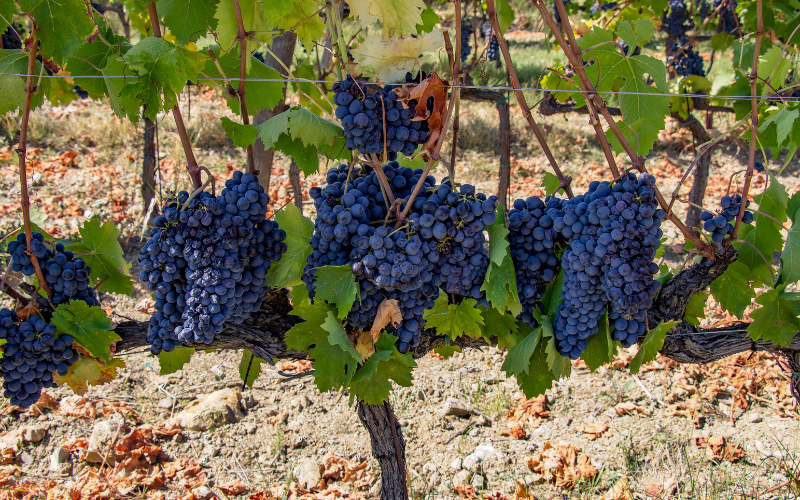

Some wines represent a territory. Others eventually become inseparable from its identity itself. Chianti Classico belongs to the second category. More than simply a wine denomination, it is the result of a long history shaped by medieval politics, agriculture, landscape and Tuscan culture.
Between Florence and Siena, in the heart of the Chianti hills, Chianti Classico was born as the expression of a very specific territory — one that is still recognizable today through its vineyards, medieval villages, panoramic roads and the iconic symbol of the Black Rooster, now one of the most recognizable emblems of Italian wine around the world.
Over time Chianti Classico evolved from a local Tuscan wine into one of the international symbols of Italian viticulture. Yet to truly understand what it represents today, it is necessary to go far beyond modern DOCG regulations and return to the medieval history of the Chianti countryside itself.
The historic territory of Chianti between Florence and Siena
Chianti Classico originates from a very precise area of central Tuscany. The historic territory stretches across the hills located between Florence and Siena and includes villages that still form the core of the denomination today: Greve in Chianti, Radda in Chianti, Gaiole in Chianti and Castellina in Chianti, later joined by several neighboring municipalities.
This landscape possesses distinctive geographical characteristics:
- rolling hills
- significant day-to-night temperature variations
- soils rich in galestro and alberese stone
- alternating vineyards, olive groves and forests.
This combination of climate, soil and landscape plays a fundamental role in defining the identity of Chianti Classico. Unlike more uniform wine regions, Chianti still preserves a strong agricultural diversity where vineyards coexist naturally with woods and rural land.
For this reason Chianti Classico cannot be understood only through wine itself. The territory is part of the wine’s identity.

The League of Chianti and the medieval origins of the territory
Long before the creation of modern wine regulations, Chianti already existed as a territory with strong political and administrative identity.
During the Middle Ages the Republic of Florence organized the area through the League of Chianti, a territorial system created to control and defend the hills between Florence and Siena. The main administrative centers of the League were Radda, Gaiole and Castellina — villages that remain among the historical heartlands of Chianti Classico today.
The League served both military and administrative functions and became one of the tools through which Florence strengthened its control over a territory constantly disputed with Siena.
It is from this medieval history that the symbol of the Black Rooster originates. According to the most famous legend, Florence and Siena decided to establish the borders of Chianti through a contest involving two knights departing at dawn from their respective cities. The departure would begin at the first crow of a rooster. Florence chose a black rooster kept hungry so it would crow earlier than the white rooster of Siena, allowing the Florentine knight to leave before dawn and claim most of the territory.
Although rooted in popular tradition rather than documented history, this legend became one of the strongest symbolic narratives associated with Chianti Classico.
From the origins of Chianti Classico to the first wine regulations
The connection between Chianti and wine gradually strengthened between the Middle Ages and the modern era, but one of the most important milestones arrived in 1716.
That year Grand Duke Cosimo III de’ Medici officially defined several Tuscan wine production areas through an edict that included the Chianti territory. Many wine historians consider this decree one of the earliest examples of geographically regulated wine production in Europe.
Wine from Chianti increasingly became associated not only with a style of production, but with a clearly defined territory.
During the nineteenth century Chianti gained further prestige thanks to the work of Bettino Ricasoli, one of the most important figures in Tuscan wine history. Owner of Castello di Brolio and a central political figure during Italian unification, Ricasoli spent years studying the ideal composition of Chianti wine.
His work helped establish the central role of Sangiovese, the grape variety that still forms the core identity of Chianti Classico today.
Sangiovese and the identity of Chianti Classico
Although Chianti Classico may include several authorized grape varieties, Sangiovese remains its dominant grape and principal interpreter of the territory.
Depending on altitude, exposure and soil composition, Sangiovese develops different characteristics throughout Chianti Classico, often showing:
- bright acidity
- structured body
- aromas of red fruit, flowers and spices
- strong aging potential.
This ability to reflect the territory is one of the reasons why Sangiovese became one of the most important grape varieties in Italian viticulture.
Over the decades the production of Chianti Classico evolved considerably, both agriculturally and enologically. Yet its connection to Sangiovese and to the territory itself remained central to the denomination’s identity.
The relationship between Sangiovese and Chianti Classico will be explored further in a dedicated article focused entirely on the grape variety and its role in Tuscan wine culture.

Chianti and Chianti Classico: a difference often misunderstood
One of the most misunderstood aspects — especially internationally — concerns the difference between Chianti and Chianti Classico.
They are not the same denomination. Chianti Classico identifies the historic territory located between Florence and Siena, while Chianti DOCG refers to a much larger production area across Tuscany.
The production regulations also differ significantly. Chianti Classico follows specific rules concerning:
- geographical boundaries
- grape composition
- aging requirements
- production yields.
The Black Rooster symbol remains one of the easiest ways to officially identify a bottle of Chianti Classico.
Over time this distinction became increasingly important in reinforcing the historical and territorial identity of the denomination.
The Black Rooster as the symbol of Chianti Classico
Today the Black Rooster is far more than a logo. It is the official symbol of the Chianti Classico Consortium and represents the connection between wine, history and territory.
The emblem appears on bottles produced within the historic Chianti Classico area according to strict production regulations.
Internationally, the Gallo Nero (Black Rooster) became one of the most recognizable symbols of Italian wine culture. Much of its strength comes from its ability to immediately evoke the Tuscan landscape of vineyards, castles, villages and rolling hills.
Yet behind the symbol lies a much deeper historical continuity. Chianti Classico did not emerge simply as a commercial product. It developed from a territory that shaped its agricultural and cultural identity around viticulture for centuries.

How Chianti Classico is traditionally enjoyed
Although Chianti Classico is often discussed through history and territory, it ultimately remains a wine meant to be shared and enjoyed at the table.
Modern interpretations vary considerably, but several characteristics are consistently associated with the denomination:
- freshness
- pronounced acidity
- balanced structure
- combination of fruit and spice.
Many producers and sommeliers recommend serving Chianti Classico at moderate temperature and allowing it to breathe slightly before drinking, especially in more structured versions.
Traditional Tuscan food pairings also remain remarkably consistent. Chianti Classico historically accompanies:
- grilled meats
- cured meats
- aged pecorino cheese
- rustic Tuscan cuisine
- game dishes.
The differences between Chianti Classico Annata, Riserva and Gran Selezione will be explored in a separate article dedicated specifically to the evolution of the denomination.
Chianti Classico today between tradition and modern identity
Over the last decades Chianti Classico has undergone a major qualitative evolution. Producers throughout the territory invested heavily in the enhancement of Sangiovese and in strengthening the territorial identity of the denomination.
Today Chianti Classico stands among the most internationally recognized Italian wines while still maintaining a deep connection with the landscape from which it originates.
In Chianti, wine is never separated from the territory itself. Vineyards coexist with olive groves, forests, Romanesque churches and medieval villages, creating an agricultural and cultural balance that continues to define the region’s identity.
In the village of San Donato in Poggio, in the heart of historic Chianti between Florence and Siena, the wine list of Locanda di Pietracupa reflects this long Tuscan wine tradition.
Between vineyards, rolling hills and regional cuisine, Chianti Classico continues to tell one of the deepest and most enduring stories in Italian wine culture.